About Gjirokastër
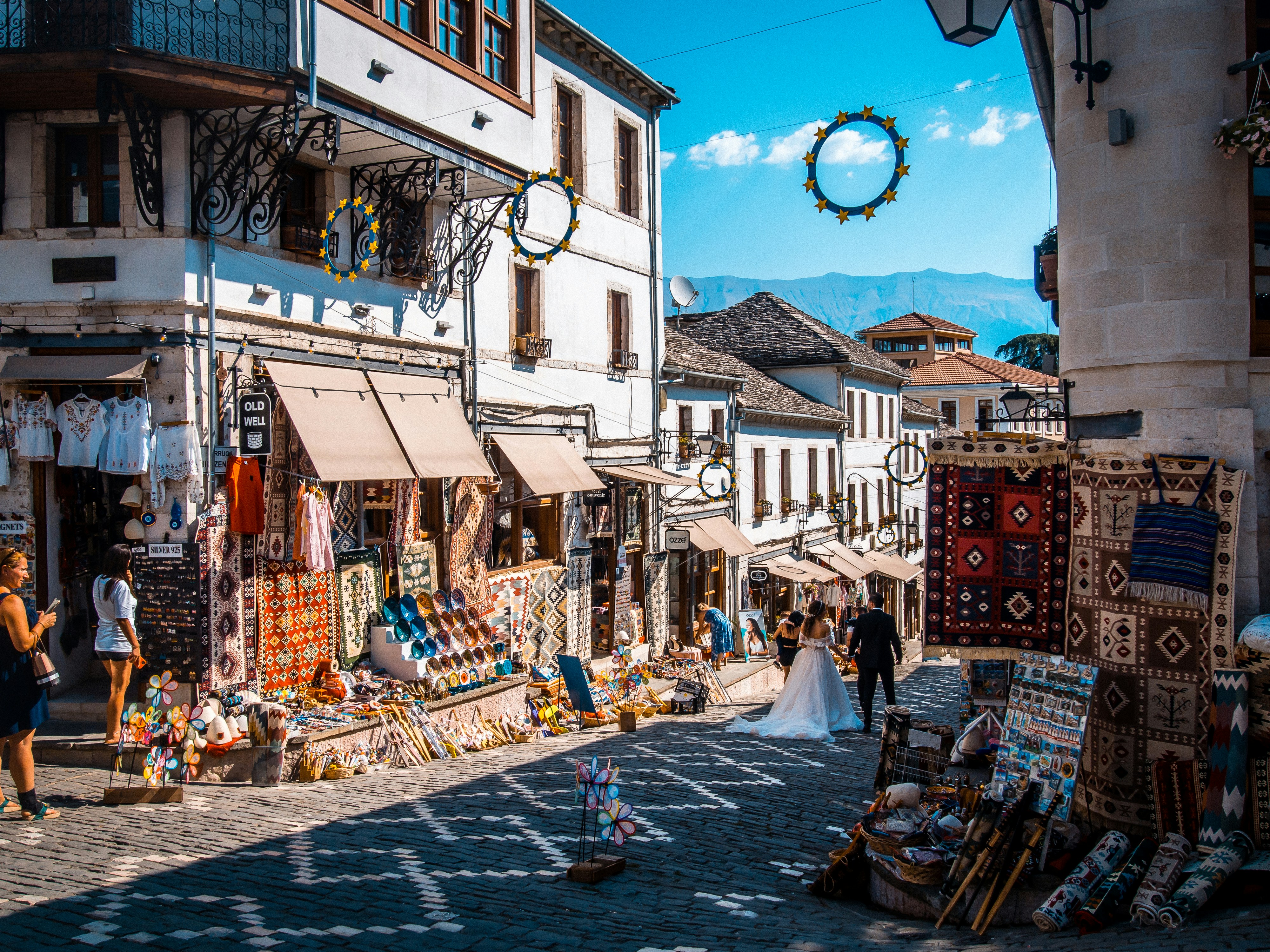
Gjirokastër is one of Albania’s most distinctive historic cities, located in the south of the country on the slopes above the Drino Valley. It is often called the “stone city” because of its slate-roofed tower houses and steep cobbled streets, and it forms part of the UNESCO-listed Historic Centres of Berat and Gjirokastra.
Historically, Gjirokastër is important for its preserved Ottoman-era urban fabric, fortified skyline, and monumental domestic architecture. UNESCO highlights it as a rare and well-preserved example of an Ottoman merchant town, while the city’s castle, old bazaar, and traditional manor houses make it one of the strongest heritage destinations in Albania.
Geographically, Gjirokastër feels very different from Albania’s coastal cities: it is more elevated, stony, and dramatic, with wide views over the valley below. For travelers, that gives it a more atmospheric and historic feel, and it works especially well as a cultural stop between Berat and the southern coast.
Key attractions
Gjirokastër Castle
The castle is the city’s dominant landmark and one of the main reasons people visit. It offers panoramic views, a strong sense of military history, and helps visitors understand why Gjirokastër developed as such a fortified hill town.
Old Bazaar
The bazaar is the heart of the historic center and one of the best places to experience the city’s atmosphere. It combines stone architecture, small shops, cafés, and a walkable setting that makes it ideal for slow exploration.
Skenduli House
Skenduli House is one of the best-known examples of Gjirokastër’s traditional tower-house architecture. It is especially valuable for visitors who want to see how elite families once lived inside these defensive yet elegant homes.
Zekate House
Zekate House is another famous historic residence and is often considered one of the finest Ottoman-era houses in the city. It gives a strong impression of the scale, layout, and craftsmanship that made Gjirokastër’s domestic architecture so important.
Ethnographic Museum
This museum helps visitors move beyond architecture and learn about daily life, customs, and household culture in the region. It is a useful stop for understanding the social history behind the old stone houses and the city’s broader identity.
Cold War Tunnel
The Cold War Tunnel adds a completely different layer to the city by connecting Gjirokastër’s historic character with Albania’s communist-era history. It is especially interesting for travelers who want more than scenic views and old streets.
Best restaurants and cafés in Gjirokastër
Taverna Tradicionale Kardhashi
This is one of the most recognized traditional restaurants in Gjirokastër and is especially known for Albanian cuisine in a welcoming, local-style setting. It is a good option for travelers who want a reliable classic meal rather than a modern fusion experience.
Restorant Tradicional Urat
Urat is a strong choice for traditional food near the old-town area and is frequently praised for dishes such as qifqi, meatballs, and byrek-style items. It suits visitors who want authentic regional flavors in a relaxed atmosphere.
Restorant Tradicional Odaja
Odaja is known for its intimate traditional setting and family-style feel above the old bazaar. Travelers usually come here for local dishes, good value, and a more characterful experience than a generic tourist restaurant.
Te Kalaja Restaurant
Te Kalaja is a popular option in the historic center and is often chosen for its location and views. It works well for visitors who want a scenic meal close to the city’s main sightseeing area.
The Barrels Ms (Te Fucite)
This is one of the better-rated places in town for travelers looking for a memorable dinner setting. It is especially appealing if you want somewhere with atmosphere and a slightly more polished feel.
Çoku Restaurant-Pizzeria
Çoku is a useful option for visitors who want something a little less traditional and a bit more casual or mixed in style. It can be a good choice for lunch or for travelers who want variety beyond purely Albanian dishes.
Travel tips
- Gjirokastër is best enjoyed on foot, but visitors should be prepared for steep streets, stone paving, and uphill walking. Staying in or very near the old town makes a big difference, because the city’s atmosphere is strongest in the early morning and evening after day visitors thin out.
- For most travelers, one full day and one night is enough to see the city well, though two nights are better if you want a slower pace or nearby excursions. A good visit usually combines the castle, the bazaar, one traditional house, and a relaxed dinner rather than trying to rush through every museum.
- Because of its position in southern Albania, Gjirokastër works very well as a stop on the route between Berat and Sarandë/Ksamil. It is one of the best places in the country for travelers who are especially interested in architecture, history, and atmosphere rather than beaches or nightlife.